

Issue 41 • 07-Dec-2006


 Two great tastes that taste great together








|
Rocket Body
Flexibility, the key to pain and injury prevention
Flexibility is the ability of a joint to move through a full range of motion. Each joint has an optimum range of motion for its specific function. Several factors that can limit flexibility are tight muscles and connective tissue, joint structure, genetic inheritance, coordination and injuries. Incorporating stretching into your daily exercise routine helps minimize these factors and allows for balance among muscle groups.
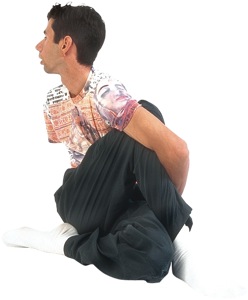
There are two types of stretching to increase flexibility: static stretching and dynamic or ballistic stretching. Static stretching involves holding an immobile position that passively places the muscles and connective tissues at their greatest possible length. A static stretch should be held for 15 to 30 seconds for optimal results. Dynamic or ballistic stretching is characterized by jerking or bouncing motions and is not recommended because one can over stretch connective tissue, causing tears or injuries.
Do light aerobic exercise before stretching. In the stretching process, it is not the muscle we are lengthening but rather the connective tissue around the muscle. A good analogy is comparing warm taffy to cold taffy. When taffy is warm it can be stretched easily, but trying to stretch cold taffy is difficult and far less effective. Doing light aerobics before stretching your muscles and connective tissue is easier and safer.
Flexibility is highly individual. Keep in mind that everyone has varying degrees of flexibility and avoid comparing yourself with your more limber neighbors. Listen to your own body and stretch within your own limits. Keep movements slow and controlled, and never stretch to the point of pain.
|
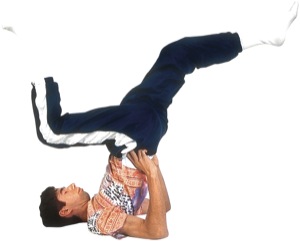
Careless stretching or bouncing movements can actually result in muscle tears or other damage. With each stretch position, concentrate on relaxing the muscles before progressing into a deeper stretch. Avoid locking the joints to prevent stress. Breathe deeply and slowly. You’ll find that the cumulative affects of stretching add up, just as if you were visiting the weight room on a regular basis. Work a set of stretches into the end of your workout and make it a part of your routine.
Pain and injuries are almost inevitable as we grow older. Lower back problems are the result of tight muscles in back and thighs and weak muscles in the abs. Another good analogy is the tree analogy. Think of a planted tree in the ground that is tethered by two ropes to each side. The purpose of the ropes is to make sure the tree grows straight. If one rope is tighter than the other, it causes the tree to lean to one side and become imbalanced. The same principle applies to our bodies. Tight hamstrings and weak abdominal muscles put a lot of pressure on our spine. Our bodies respond to the imbalance with pain and then injury.
Also, as our society leans toward more desk jobs, the muscles and connective tissue in our legs and thighs tighten up tremendously. Remember to periodically throughout the day get up and take a five-minute stretch break. Work from head to toe. It will wake up your muscles, get the blood flowing and wake up the brain.
There are many benefits to stretching. Reduced risk of injury, better posture, increased physical efficiency and performance, and relaxation are all benefits. Consider taking a yoga or Pilates class for advanced stretching techniques. A class allows you to focus your full attention on stretching. Also, some personal trainers offer assisted stretching, which allows more angles and leverage to be used to get a safer, more effective stretch. If you have had any recent injuries, muscle or joint problems, make sure to consult a personal health care professional before starting a stretching (or any exercise) program.
I’d love to hear what’s working (and not working) for you. Feel free to share your stories or questions with me at editor@uptownpub.com.

contact us | advertise