

Issue 55 • 21-Jun-2007


 Valley of the Dolls: an interview with Brian Viglione of The Dresden Dolls








|
The Rox Box
Rihanna, Mandy Moore, Tiffany and Sunshine Jones
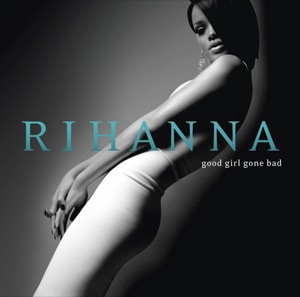
Shedding her dainty disguise for a more incendiary image, Barbados beauty Rihanna reclaims her place under the R&B spotlight with her third album, Good Girl Gone Bad. Tapping into the production talents of Timbaland, C. “Tricky” Stewart, Stargate, and the team of Evan Rogers and Carl Sturken – as well as songwriting contributions from Justin Timberlake and Ne-Yo – the 19-year-old’s latest release is riding high on the success of its first single, “Umbrella,” which netted a No. 1 trifecta on the Billboard Hot 100, Pop 100 and Hot Digital Song charts. More recently released, “Shut Up and Drive,” Good Girl Gone Bad’s second single, puts the pedal to the metal with its “Blue Monday” treatment and covert sexual innuendos, pretty much guaranteeing it the checkered flag of summer hits. Other tracks worth their wait include “Don’t Stop the Music,” a Michael Jackson-inspired plea to DJs; the granite-edged “Lemme Get That” and “Rehab,” a slow jam about a little drug called love.
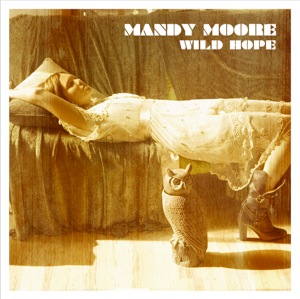
Strike while the iron is hot. Or so the cliché goes. But when Mandy Moore introduced her debut album, 1999’s So Real, the iron was only lukewarm. At the time, reviewers considered Moore a rip-off of the then-reigning pop princesses Britney Spears, Christina Aguilera and Jessica Simpson. Entertainment Weekly’s scathing review of the album said that Moore’s songs, centering on “not-yet-experienced love,” were performed with “suffocating professionalism,” and that the album’s ballads were “nauseating.” For a girl of only 15, it was definitely a slap in the face. But, as another cliché goes, you only get wiser with age. Moore’s seventh album, Wild Hope, decidedly rips up her bubblegum roots and plants a new seed in the form of organic folk music with pop sensibilities. Influenced by consummate artists such as Joni Mitchell and Fleetwood Mac, Wild Hope starts off with the striking “Extraordinary,” a collaboration with indie pop-folk duo The Weepies, and concludes with the breathtaking ballad “Gardenia,” co-written by Chantal Kreviazuk. Several poignant tracks fill out the rest of the album, including Moore-penned songs like the buoyant “All Good Things,” the revealing “Most of Me” and “Ladies Choice,” a steadfast, symphonious anthem featuring Rachael Yamagata – all of which come with an unwritten caveat that even if you don’t like them, Moore promises not to publicly shave her head in a desperate plea for attention.
|
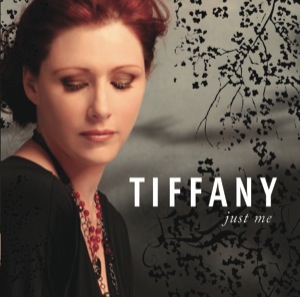
Unlike her decades-old rival Debbie Gibson, who now prefers the more formal Deborah, ’80s teen sensation Tiffany happily embraces the moniker that made her a star so many light years ago. However, that star has lost most, if not all of its luster on her latest release, Just Me. Containing all new material in a singer/songwriter format a la Tiffany’s 2000 release The Color of Silence – Just Me allows the Reagan-era icon to spread her musical wings on tracks such as “Feels Like Love,” the album’s optimistic but mid-’90s-sounding first single, and “Winter’s Over,” a scratchy ballad about being tossed aside like lunch at a Victoria’s Secret shoot. And that’s just the start of what’s wrong with this disc. As if trying to reclaim the fame she once had, Tiffany sprints along the spectrum of musical styles, perhaps hoping that the listening audience will help choose her course according to which track performs best. Unfortunately, Just Me fails miserably on all counts, leaving the awkward artist yearning for what “Could’ve Been.”
|
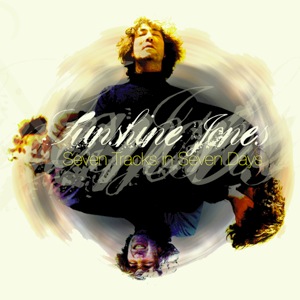
As founder and former front man of San Francisco-based Dubtribe Sound System, Sunshine Jones received international acclaim while masterminding the group’s blessed-out, four-on-the-floor dance anthems rooted in the Chicago House Music esthetic. Inspired by the deep love of those tracks, Jones returns – fresh off a Dubtribe farewell tour – with his first solo album, Seven Tracks in Seven Days. Though mostly instrumental – although the album contains vocals when vocals are due – Seven Days is stripped of all samples and features an array of equipment, including Jones’ Roland Juno-60, TR-909, TB-303 and Akai S6000, among various hand percussions and other instruments. Jones, who sees himself contributing to the rebirth of quintessential house music, has gone back to the basics for this one-man debut, delivering a personal love letter to the genre and creating an alternate universe of sadness and frustration, hopes and dreams – “the last embers of which was once a glorious bonfire set ablaze on the beaches of the Pacific Coast of California.”
|

contact us | advertise